My Expansive Life › Blog › Community
Mastermind Groups: Are They Worth It for Professionals?
By Dr. Nkem Ezeamama · 5 min read
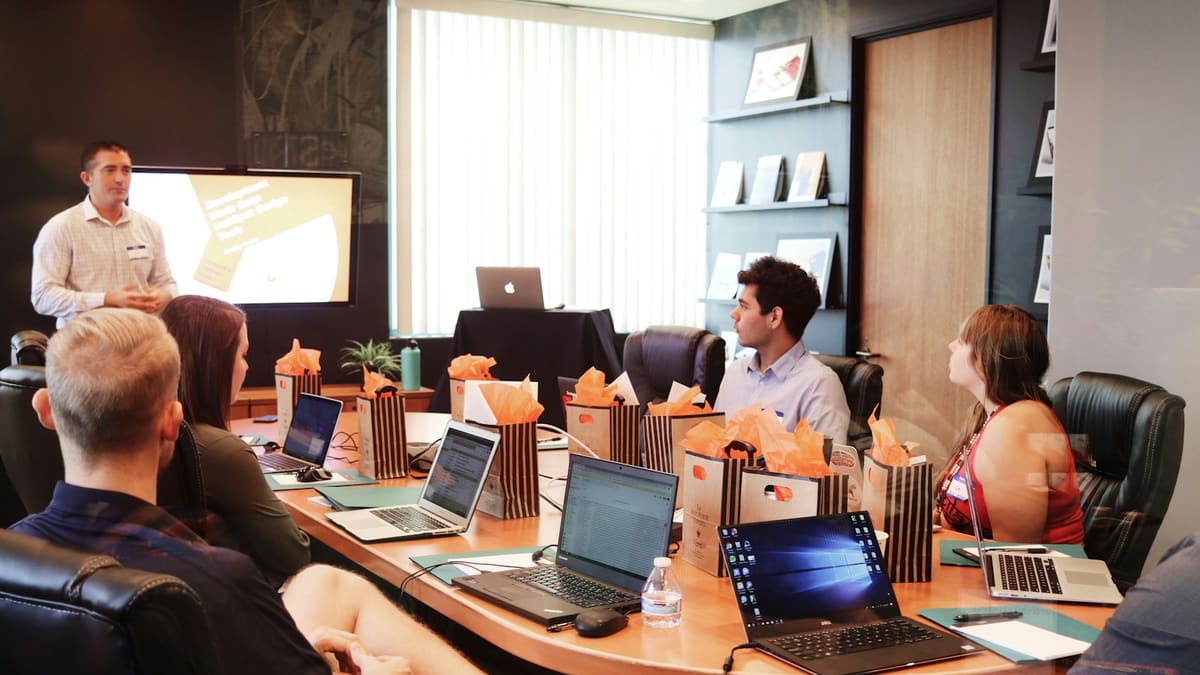
A mastermind group is a small group of peers who meet regularly to help each other with goals, decisions and problems. The idea is simple: several experienced minds working on your challenge are better than one — and having to report back to people you respect keeps you moving.
But masterminds range from free peer groups to programmes costing thousands of dollars, and quality varies just as widely. Here is an honest answer to whether they are worth it.
What happens in a mastermind group?
Most follow a similar pattern. A group of five to twelve people meets weekly or monthly. Each member shares progress and a current challenge, and the group asks questions and offers ideas. Many groups give one member a longer "hot seat" each meeting to go deep on a single problem. Between meetings, members follow through on what they committed to.
What are the benefits of a mastermind group?
- Accountability. Saying out loud what you will do by next session, to people who will ask, is one of the most reliable ways to actually do it.
- Better decisions. Peers spot blind spots that you cannot see from inside your own situation.
- A network that grows with you. Members often become collaborators, clients and lifelong contacts. It is one of the most effective ways of building a professional network mid-career.
- Perspective. Hearing how others handle similar problems makes your own feel less isolating.
What are the downsides?
- Cost. Paid masterminds can be expensive, and price does not guarantee quality.
- Mismatch. A group at a very different stage from you can waste everyone's time.
- Time. Regular meetings and follow-through are a real commitment.
- Weak facilitation. Without a good facilitator, sessions drift into small talk or one person dominates.
Mastermind vs other options: which do you need?
| Option | Typical cost | Best for |
|---|---|---|
| Free peer mastermind | Free | Accountability with people you already trust |
| Paid facilitated mastermind | Hundreds to thousands per year | Senior professionals who want a curated, high-level peer group |
| Membership community | Monthly fee | Ongoing learning, events and a wider network |
| One-to-one coaching | Highest per hour | Focused help on a specific goal or transition |
Red flags to watch for
- Promises of guaranteed income or results.
- No clear criteria for who can join, so stages and goals are all over the place.
- The organiser sells to members more than members help each other.
- No way to speak with current or past members before you pay.
- High-pressure, "only today" pricing.
So, are mastermind groups worth it?
They are worth it when three things are true: the members are at a similar stage with similar ambitions, the group is well facilitated, and you show up consistently and do the work between sessions. Without those, even an expensive group will disappoint. With them, a mastermind can be the most valuable hour of your month. For more on how strong professionals manage themselves and their growth, Harvard Business Review's "managing yourself" collection is worth browsing.
What does a good mastermind group look like?
- Members at a similar stage. Roughly the same level of experience and ambition, so everyone can contribute as well as learn.
- A clear format. Every meeting follows the same structure — check-ins, a hot seat, commitments — so time is not wasted.
- A skilled facilitator. Someone who keeps time, draws out quieter members and stops any one person dominating.
- Confidentiality. Members can share real numbers and real problems without worrying where they will end up.
- A defined commitment. A fixed term, such as six or twelve months, with an expectation that you attend.
How do you get the most out of a mastermind?
- Bring a real problem every time. The value comes from working on decisions that matter, not updates that do not.
- Make specific commitments. "Send three proposals by Friday" is useful. "Work on sales" is not.
- Give as much as you take. Your questions and ideas for others are what earn you the group's best thinking in return.
- Be honest about what did not happen. The group can only help with what you share.
- Stay for the full term. Trust takes a few months to build, and the best sessions usually come after it does.
Questions to ask before you join
- Who are the current members, and what stage are they at?
- How are members selected, and who decides?
- What does a typical session look like, and who facilitates it?
- What is the minimum commitment, and what happens if you need to leave?
- Can you speak to one or two current or former members first?
- What, specifically, have members achieved in the last year?
A good group will answer all of these easily. Vague answers are a warning sign in themselves.
How does a typical mastermind session run?
A common 90-minute format: ten minutes of quick wins and check-ins, forty-five minutes of one or two "hot seats" where a member presents a real problem and the group asks questions before offering ideas, twenty minutes of shorter requests for help, and fifteen minutes for everyone to state one specific commitment for the next session. The structure matters more than the length — it is what keeps the time useful.
Frequently asked questions
How much does a mastermind group cost?
Anything from free to several thousand dollars a year. Peer-run groups are often free; facilitated groups for executives and business owners cost more.
How many people should be in a mastermind group?
Usually five to twelve. Fewer limits the range of perspectives; more makes it hard for everyone to get real time each session.
How often do mastermind groups meet?
Most meet weekly, every two weeks or monthly, for 60 to 120 minutes. Regularity matters more than frequency.
Can I start my own mastermind group?
Yes. Invite four to six peers at a similar stage, agree on a format and a meeting rhythm, and rotate facilitation. Keep it small and commit to it for at least six months.
Where to start
If you want accountability, learning and a peer network without organising it yourself, the Circle combines all three, including the live Monday Momentum sessions.